

Different Lab Grown Diamond Cuts Explained
Different Lab Grown Diamond Cuts Explained
The cut you choose can completely change the way a lab grown diamond looks, reflects light and feels inside an engagement ring.
The shape gets your attention. The cut controls the performance.
When people talk about a diamond's “cut,” they are often talking about more than its outline. Cut refers to how the stone's facets, proportions and angles work together to interact with light.
Lab grown diamonds can be created in many of the same popular shapes and cutting styles available in traditional diamond jewellery. That means you can choose a look based on personality, proportion and sparkle.
From the classic brilliance of a round cut to the sophisticated lines of an emerald cut, every shape tells a slightly different story.
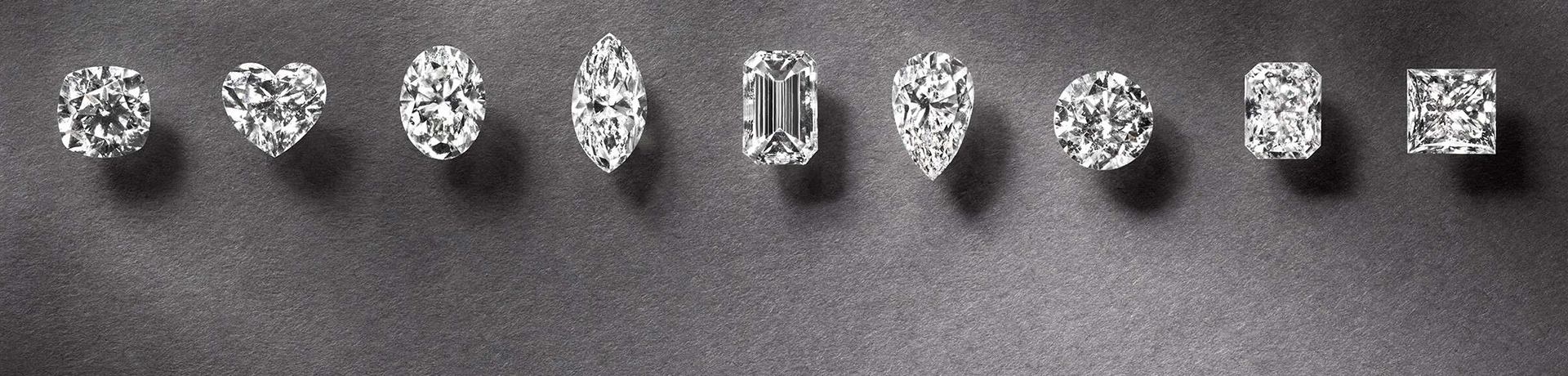
Eight popular cuts. Eight different moods.
There is no universally perfect cut. The best choice depends on the look, proportions and personality you want your engagement ring to have.
Round Cut
The round brilliant is known for its classic circular silhouette and strong light performance. It is a timeless choice for someone who wants maximum versatility.
Oval Cut
An oval cut combines brilliant-style sparkle with an elongated outline. Its proportions can create an elegant look across the finger.
Emerald Cut
Emerald cuts are recognized for their long, clean step facets and sophisticated appearance. They tend to emphasize clarity and elegant flashes rather than intense glitter.
Princess Cut
With its square or rectangular outline and sharp geometric character, the princess cut offers a modern alternative to the traditional round.
Cushion Cut
Cushion cuts combine softened corners with a romantic vintage-inspired feel. They can look especially beautiful in both classic and modern settings.
Pear Cut
The pear shape combines a rounded end with a pointed tip, creating a distinctive silhouette that can be worn in several directions.
Marquise Cut
Long and pointed at both ends, the marquise cut creates a dramatic elongated appearance and can make the stone visually span more of the finger.
Radiant Cut
Radiant cuts combine a rectangular or square outline with brilliant-style faceting, offering a balance of clean geometry and lively sparkle.
Which diamond cut feels most like you?
You love timeless design.
Classic, versatile and easy to style with almost any engagement ring setting.
You want classic with a twist.
Elegant proportions with an elongated silhouette and plenty of personality.
You prefer quiet sophistication.
Clean lines, architectural facets and an understated luxury feel.
You like romance with softness.
A beautifully rounded shape with a classic, slightly vintage character.
You want modern sparkle.
Strong geometry combined with brilliant-style faceting.
You want something distinctive.
A directional silhouette that instantly stands apart.
Before choosing a cut, ask yourself these questions.
The most beautiful diamond is not necessarily the one everyone else chooses. Start with the way you want your ring to look and feel.
Do I prefer classic or distinctive?
Round and oval can feel timeless, while pear, marquise and radiant cuts can create a more distinctive look.
Do I want sparkle or clean elegance?
Brilliant-style cuts generally emphasize lively sparkle, while step-cut styles create a more refined and architectural appearance.
What silhouette suits my ring design?
Consider how the diamond shape works with the setting, band and overall proportions of the ring.
Which shape will I still love years from now?
Trends can inspire your choice, but a ring you genuinely connect with is more likely to remain meaningful long after the trend changes.
“The right diamond cut does not just catch the light. It catches the personality of the person wearing it.”LAQARE Diamond Edit
Your diamond cut checklist.
Shape
Decide which silhouette naturally attracts you: round, oval, emerald, cushion, pear, radiant or another style.
Light performance
Think about whether you prefer lively brilliance, softer flashes or a more understated look.
Setting
Make sure the chosen cut works naturally with the engagement ring setting you have in mind.
Proportion
Consider how the stone's length, width and overall proportions will look on the finger.
Personal style
Your diamond should feel like your jewellery, not simply a copy of what is currently popular.
Long-term love
Choose the shape you can imagine looking at and loving every day for years to come.
Find the lab grown diamond cut that feels uniquely yours.
Explore Engagement RingsDiamond Cut FAQs
A few important questions to consider when choosing the shape and cutting style of a lab grown diamond.


