

What Is the Best Stone Cut for a Ring?
What Is the Best Stone Cut for a Ring?
Cut quality, proportions, brilliance, shape and setting — explained simply.
When choosing a ring, the words “cut” and “shape” are often used as though they mean the same thing. They do not. Shape describes the outline you see from above, while cut is about how a gemstone is proportioned, faceted and finished to interact with light.
That distinction matters because a beautiful-looking ring is not created by shape alone. The way a stone handles light can influence its sparkle, visual depth and overall presence. The best cut for your ring is therefore the one that works beautifully with the stone, the design and your personal style.
A beautiful stone begins with how it handles light.
Facets act like carefully arranged windows and mirrors. Their proportions influence how light enters a stone, moves through its interior and returns to the viewer.
This is why two stones with similar outlines can create noticeably different visual impressions. Cut quality helps determine whether the stone feels lively, bright and balanced rather than flat or visually heavy.
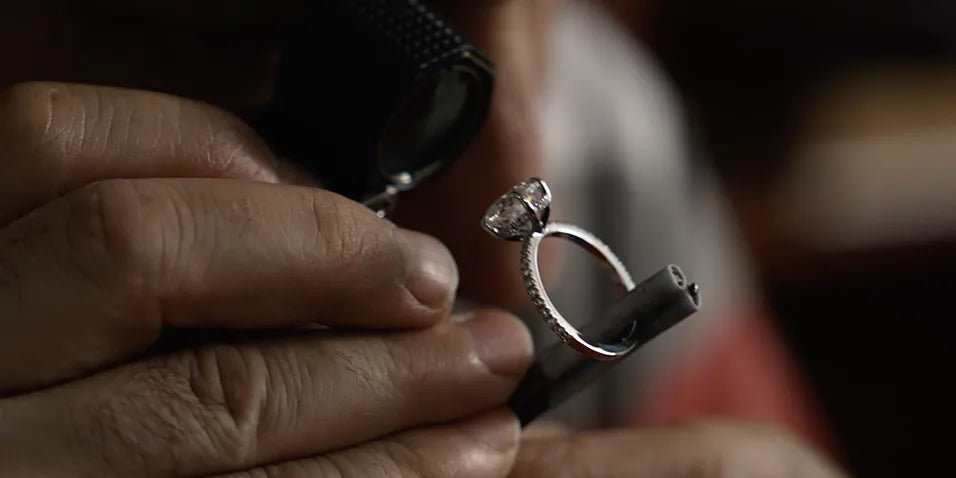
Cut and shape are not the same.
Shape
Shape refers to the visible outline of the stone, such as round, oval, pear, emerald, cushion, radiant or marquise. It is one of the first visual decisions you notice.
Cut
Cut describes the stone's proportions, facet arrangement, symmetry and finish. These characteristics influence how effectively the stone interacts with light.
Brilliance
Brilliance is the bright appearance created when light returns from the stone. A well-considered cut can help create a lively and attractive visual effect.
Proportion
The relationship between depth, width, table and other structural details contributes to the way a stone looks from different angles.
What makes a cut feel beautiful?
06 details to considerBrilliance
Look for a stone that appears lively and bright rather than visually dull. Light performance is one of the most important parts of a beautiful center stone.
BrightnessProportion
Balanced proportions help the stone maintain a pleasing visual relationship between its width, depth and faceting.
BalanceSymmetry
Symmetry can influence how polished and intentional a stone appears. Consistent geometry helps support a refined finish.
PrecisionPolish
A well-finished surface allows the stone to present its facets clearly and contributes to the overall refined appearance.
SurfaceShape
The shape still matters. Choose an outline that feels right for your style, then consider how the cut supports that shape.
CharacterSetting
The setting frames the stone and can change its visual impact. A strong center stone deserves a setting that supports rather than competes with it.
HarmonyInstead of asking, “Which cut is best?” ask which cut is best for your ring.
There is no single cut that automatically wins for every person or every design. The right choice depends on the stone's proportions, the setting you prefer, the look you want from different angles and the type of brilliance you enjoy.
Your stone-cut checklist.
Look at the stone from more than one angle before choosing it.
ViewCompare brilliance and overall light performance, not just the outline.
LightConsider how the stone's proportions work with the setting.
SettingChoose a shape that matches the personality you want your ring to express.
StyleCheck symmetry, polish and overall finishing details.
DetailMost importantly, choose the cut and stone combination that you genuinely love.
PersonalThe best cut is the one that makes your stone come alive.
A ring should look beautiful in a photograph, under natural light, across a room and up close. Cut plays an important role in creating that sense of life. When proportion, symmetry, polish, shape and setting work together, the result feels considered from every angle.
Study the proportions.
Choose the complete design.
Find a stone that looks beautiful in motion.
Explore LAQARE moissanite engagement rings and discover refined center-stone designs created for brilliance, elegance and everyday wear.
Stone Cut FAQ
What is the difference between stone cut and stone shape?
Shape describes the visible outline of a stone, while cut refers to the proportions, facets, symmetry and finishing that influence how the stone interacts with light.
What makes a ring stone sparkle?
Light performance is influenced by the stone's cut, proportions, faceting, symmetry and finish. The complete ring design also affects how the stone is presented.
Is there one best cut for every engagement ring?
No. The best choice depends on the stone, desired appearance, setting, proportions and personal style. A cut that looks ideal in one design may not create the same effect in another.
Does stone shape affect how the cut looks?
Yes. Different shapes use different facet arrangements and proportions, so the way light is presented can vary from one silhouette to another.
Should I choose the cut or setting first?
It is helpful to consider them together. The stone's shape and proportions should work naturally with the setting so the final ring feels balanced and intentional.
Can a stone look beautiful from every angle?
A thoughtfully proportioned and well-finished stone can maintain a beautiful appearance across different views. Looking at the complete ring from the top, side and angled perspectives is a useful part of choosing a design.


